
Why 316L Stainless Steel is the Non-Negotiable Standard for Modern Brewery Filter Presses
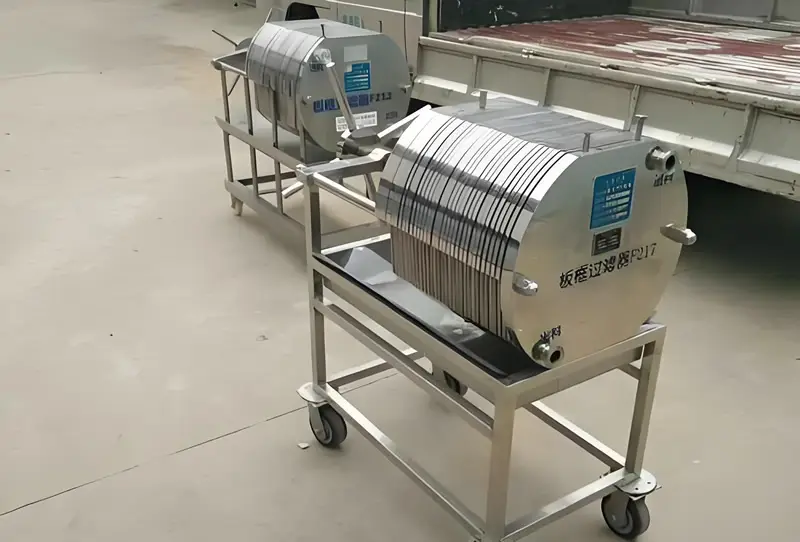
In brewery operations where every batch carries your brand's reputation, equipment materials aren't just specifications—they're foundational decisions affecting product quality, operational reliability, and long-term profitability. While 304 stainless steel serves many industrial applications, the unique chemical environment of brewing demands the superior protection of 316L stainless steel. This comprehensive guide explains why this specific alloy has become the industry standard for filter presses in professional brewing operations.
The Brewing Environment: A Perfect Storm for Corrosion
Brewing creates one of the most challenging environments for equipment materials:
Chemical Challenges Every Brewery Faces:
Acidic Wort and Beer (pH typically 3.8-4.5)
Aggressive Cleaning Chemicals (CIP solutions with acids, caustics, and sanitizers)
Chlorine-Based Sanitizers (containing chloride ions that trigger pitting corrosion)
Organic Acids (acetic, lactic, citric acids from fermentation)
High Temperature/Humidity Conditions during cleaning and processing
While adequate for many applications, 304 stainless steel (containing 18% chromium, 8% nickel) has a critical weakness: sensitivity to chloride ions. In brewing environments, this can lead to:
Pitting Corrosion: Localized attacks creating microscopic holes
Crevice Corrosion: Hidden corrosion in joints and seals
Stress Corrosion Cracking: Structural failures under tension in corrosive environments
The single most important difference lies in the chemical composition:
PREN = Pitting Resistance Equivalent Number (Cr + 3.3Mo + 16N)
| Property | 316L Stainless Steel | 304 Stainless Steel | Brewing Impact |
|---|---|---|---|
| Key Alloy Addition | 2-3% Molybdenum (Mo) | None | Mo provides chloride resistance |
| Corrosion Resistance | Excellent (especially to chlorides) | Good (but chloride-sensitive) | Prevents pitting from sanitizers |
| PREN Value | 24-28 | 18-20 | Higher = Better corrosion resistance |
| Carbon Content | 0.03% max (L=Low Carbon) | 0.08% max | Prevents sensitization during welding |
| Food Industry Standard | Required for harsh environments | Acceptable for mild environments | Brewing = harsh environment |
Molybdenum atoms in the 316L alloy structure form stable, protective layers when exposed to chlorides. This prevents the localized breakdown that leads to pitting corrosion—the most common failure mode in brewing equipment exposed to chlorine-based sanitizers.
Against Acidic Wort: Maintains integrity at low pH levels
During CIP Cycles: Resists both acidic and caustic cleaning solutions
With Sanitizers: Handles chlorine, iodine, and peroxide-based sanitizers without degradation
In High-Temperature Processes: Maintains strength and corrosion resistance during hot cleaning cycles