
Performance Comparison: Rubber vs. Polypropylene (PP)
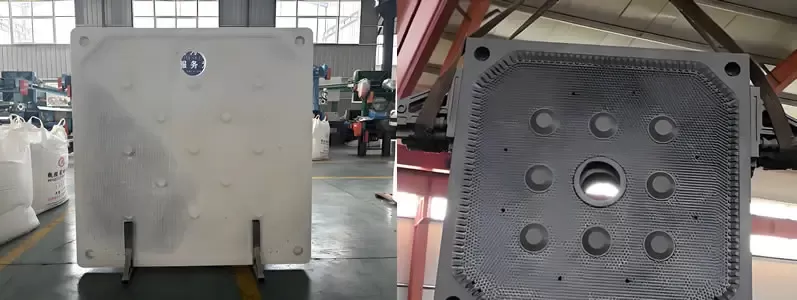
| Natural Rubber Composite Filter Plates | Polypropylene (PP) Filter Plates | |
|---|---|---|
| Elasticity & Flexibility | Superior – Excellent recovery after compression | Moderate – More rigid, less flexible |
| Chemical & Corrosion Resistance | Excellent – Performs well in various chemical environments | Good – Resistant to many acids and bases, but susceptible to some solvents |
| Typical Service Life | 5–6 years (with proper maintenance) | 1–3 years |
| Impact & Abrasion Resistance | High – Withstands physical stress and abrasive slurries | Moderate – Can become brittle over time |
| Cost of Ownership (Long-term) | Lower – Longer lifespan reduces replacement frequency | Higher – More frequent replacements increase total cost |