
Always base your diaphragm material selection on a comprehensive analysis of your specific slurry properties (pH, chemical composition, temperature, abrasiveness) and operational goals (cost efficiency, longevity, final cake dryness). The optimal material ensures efficient, stable operation of the diaphragm filter press, maximizing filtration quality and overall system productivity.
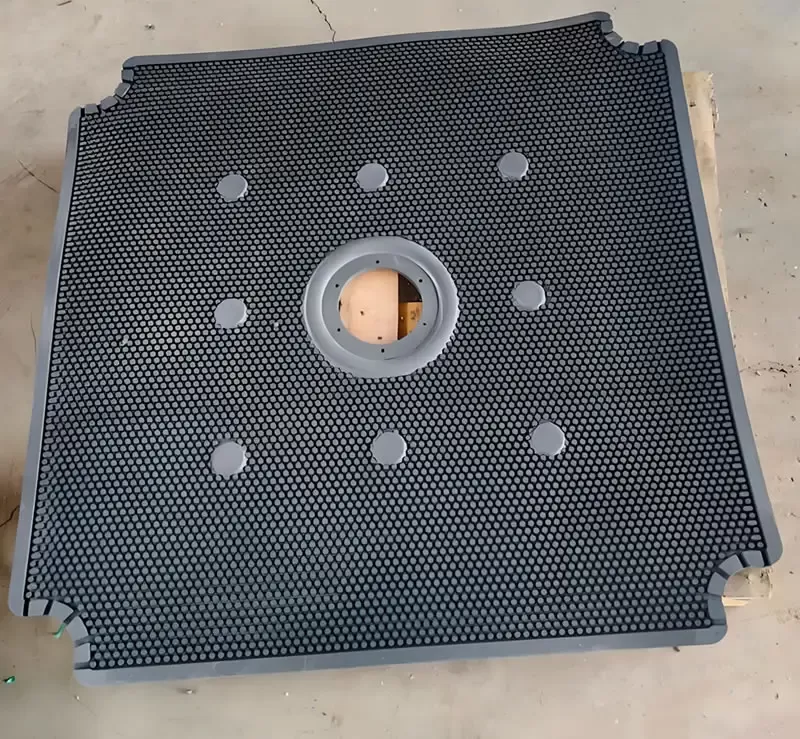
Primary Material Types and Their Properties
| Key Characteristics | Optimal Applications | |
|---|---|---|
| Nitrile Butadiene Rubber (NBR) | Excellent oil resistance and abrasion resistance; withstands oil contamination to extend service life. | Filtration of oily wastewater and oil-containing slurries. |
| Natural Rubber | Soft texture with high elasticity; provides good conformity to filter plates. | Filtration of mild, non-aggressive materials where flexibility is prioritized. |
| Chloroprene Rubber (CR) | Good weather resistance and chemical corrosion resistance; performs reliably in complex environments with varying pH levels. | Filtration under fluctuating or moderately aggressive chemical conditions. |
| Polypropylene (PP) | Superior resistance to strong acids, strong bases, and organic solvents; solid, non-delaminating construction. | Highly aggressive chemical environments, including strong acids/bases and organic solvents. |
| Ethylene Propylene Diene Monomer (EPDM) | Excellent heat, ozone, and weathering resistance; suitable for high-temperature and outdoor applications. | High-temperature processes and applications exposed to outdoor conditions. |