
In the world of industrial solid-liquid separation, one technology has stood the test of time: the horizontal filter press. Also known as chamber filter presses or plate and frame filter presses, these robust machines continue to dominate applications ranging from municipal sludge dewatering to mineral processing, decades after their invention.
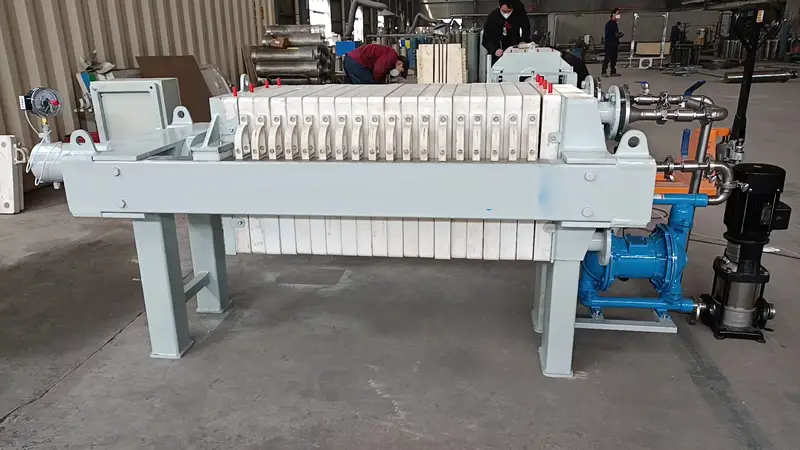
What makes horizontal filter presses so enduringly popular? The answer lies in their unique combination of reliability, efficiency, and versatility. Unlike vertical presses or belt filter systems, horizontal filter presses offer unparalleled dewatering performance, producing drier cakes with solid content often exceeding 50%. Their simple yet effective design—with horizontally arranged plates that form pressurized chambers—creates ideal conditions for separating even the most challenging slurries.
From wastewater treatment plants processing thousands of tons of
sludge daily to chemical plants recovering valuable catalysts,
horizontal filter presses handle materials that would overwhelm other
separation technologies. Their ability to operate at high pressures (up
to 25 bar) while maintaining consistent performance makes them
indispensable in industries where product recovery and waste
minimization are critical to profitability.
This comprehensive guide explores the working principles of horizontal filter presses, examines their key advantages over alternative technologies, and provides industry-specific insights for selecting and optimizing these workhorses of industrial separation.