
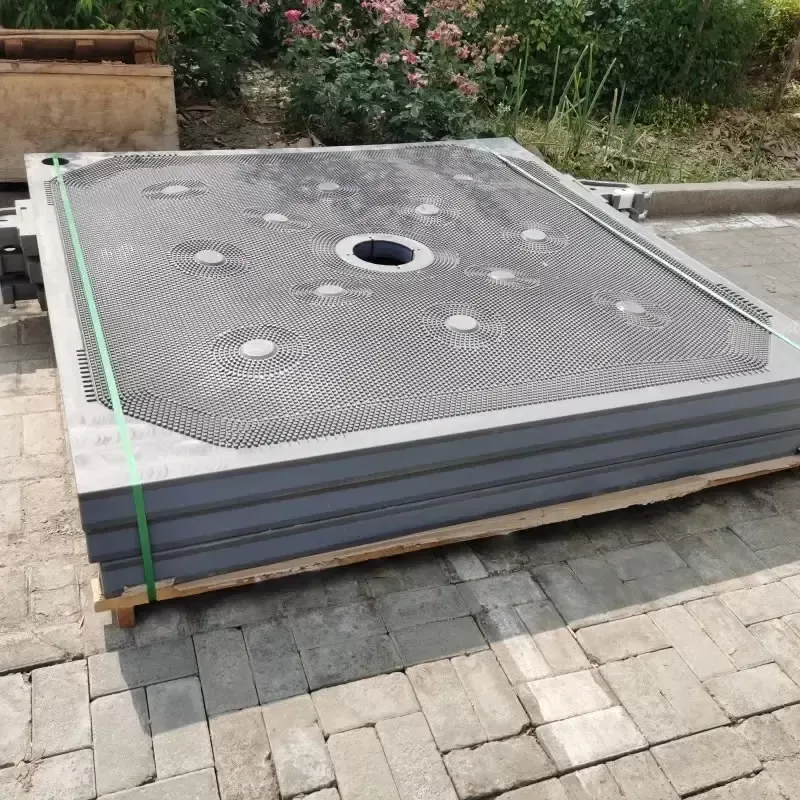
NBR (Nitrile Butadiene Rubber) Diaphragm Filter Plates can increase filtration press efficiency by an average of over 30% compared to standard natural rubber or recycled rubber products. This performance boost is particularly significant when processing high-viscosity, high-solid-content slurries.
The Science Behind NBR's Superior Efficiency
Resistance to Compression Set (Permanent Deformation)
During the filtration cycle, the diaphragm repeatedly endures high pressure (typically 0.6–1.6 MPa) and material abrasion. Standard rubber compounds are prone to aging and deformation, leading to seal failure and higher cake moisture content. In contrast, NBR diaphragms maintain over 90% rebound resilience even after 500 hours of continuous operation, ensuring effective high-pressure squeezing and significantly shortening each cycle's duration.
Case Study: Chemical Plant Sludge Dewatering Project
A two-week comparative test was conducted at a chemical plant's sludge dewatering facility
| est Parameter | Group A: Standard Natural Rubber Diaphragm | Group B: NBR (Nitrile Rubber) Diaphragm | Improvement |
|---|---|---|---|
| Average Cycle Time | 42 minutes | 29 minutes | 31% Reduction |
| Average Cake Moisture | ~68% | ~61% | 7% Reduction |
| Daily Throughput | Baseline | Increased by ~2 tons | Increased Capacity |
| Equipment Failure Rate | Baseline | Reduced by 60% | Enhanced Reliability |
Key Results
60% Reduction in Equipment Failure Rate, minimizing unplanned downtime and associated losses