
Tailings dewatering, a crucial step in dry stack tailing management, offers significant economic, safety, and environmental benefits over traditional slurry (wet) disposal methods. Here are the three primary advantages:
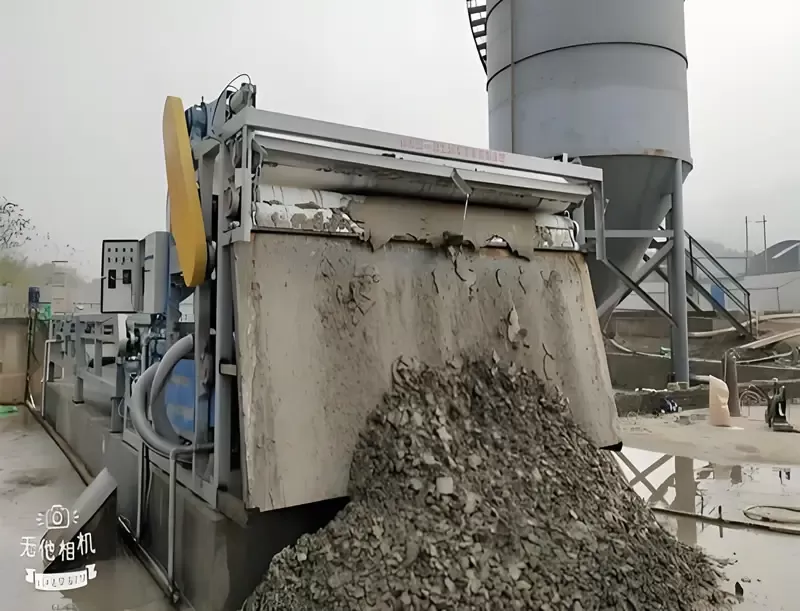
1. Reduced Land Footprint & Lower Long-Term Operating Costs
Dry stacking of dewatered tailings drastically cuts land requirements compared to conventional tailings ponds. This saves substantial capital on initial pond construction and ongoing maintenance. The process also enables high-efficiency water recovery, recycling process water back into the plant, which reduces freshwater intake and associated costs. Furthermore, it eliminates future expenses for pond closure and land rehabilitation.
2. Enhanced Safety & Environmental Compliance
Dry stacking mitigates critical risks inherent to slurry ponds, such as dam failure, overtopping, and seepage. By removing the large volumes of fluid, it significantly reduces safety liabilities and the need for continuous, costly safety monitoring. This method also minimizes the long-term risk of soil and groundwater contamination, supporting stricter environmental, social, and governance (ESG) standards and promoting sustainable mining.
3. Strong Economic Return & Resource Recovery Potential
While operational costs for dewatering can be 3-10% higher than wet disposal, the capital expenditure (CAPEX) for dry stack facilities is typically up to 30% lower than for constructing traditional tailings dams. Additionally, dry stacks allow for 20-30% more material storage per unit area. Critically, dewatered, stackable tailings present a far greater opportunity for resource recovery (e.g., reprocessing for critical minerals or sale as construction materials) compared to slurry in a pond, facilitating a circular economy. This approach aligns with global trends toward responsible tailings management, delivering clear long-term financial and societal value.
Previous : What is Tailings Dewatering?